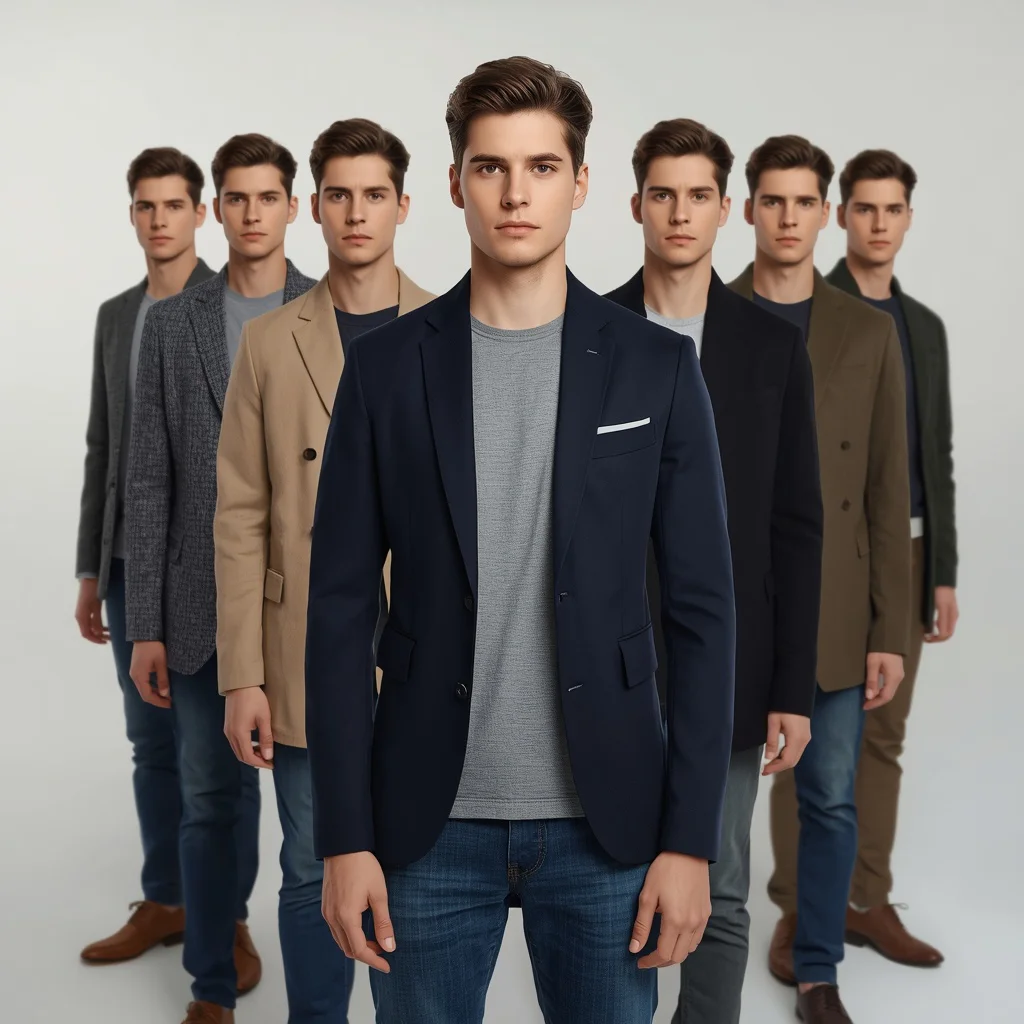

Fragmented Matrix Mirrorverse: Digital Glitches, Central Cohesion | Trending Ai Prompt
The "Fragmented Matrix Mirrorverse" prompt blends a confident central figure with a chaotic digital backdrop, creating a striking tension between order and disruption. It invites you to place a real person into a sci-fi dreamscape where screens glitch and code unravels behind them, yet the subject remains sharp and untouched.
This concept thrives on contrast: one cohesive human presence against a swirling storm of fragmented reflections. By keeping the background strictly non-overlapping, the prompt ensures the main subject never loses prominence, making it ideal for cinematic portraits, album covers, or futuristic branding visuals.
What this fragmented matrix mirrorverse prompt is asking for
This prompt directs the AI to build a surreal mirrorverse scene anchored by a single human subject. The subject must be centered, accurately reflecting a provided reference image in face, hairstyle, and outfit, while the background explodes with digital fragments that never intrude on the figure.
- A main subject placed prominently at the center with confident poise and an engaging sideward glance
- Multiple fragmented digital reflections appearing on glitching screens and distorted code lines
- A swirling, dynamic backdrop that stays strictly in the background without overlapping the subject
- High-accuracy matching of the subject's appearance, face, hairstyle, and outfit from a reference image
- An atmosphere of digital disruption contrasted with a calm, cohesive human presence
The scene this prompt builds around your reference image
The composition sets your subject in a void-like space where reality fractures into data. Phrases like "multiple fragmented digital reflections appearing on glitching screens" and "distorted code lines" paint a backdrop of controlled chaos, as if the matrix itself is breaking apart behind them. The subject stands "with confident poise and an engaging expression, looking slightly to the side," anchoring the image with human stillness.
Crucially, the prompt insists that "these reflections must stay in the background only" and "should not overlap or dominate the main subject." This creates a layered depth where the viewer's eye locks onto the person first, then explores the swirling glitches and mirrored shards that spin outward, reinforcing the mirrorverse theme without visual clutter.
Why this prompt works for striking AI portraits
This prompt excels because it marries a highly personal element—a specific person's likeness—with a universally cool, tech-noir aesthetic. The strict spatial rules prevent the common AI failure of background elements bleeding into the subject, ensuring a clean, professional result every time.
- The central placement and non-overlap rule keep the subject crisp and recognizable, avoiding muddy merges between person and glitch art
- The contrast between a calm human expression and a fractured digital background creates instant emotional and visual impact
- It offers a repeatable formula for series work, letting you swap reference images while maintaining a consistent cyberpunk style
Three artistic styles already inside this prompt
The prompt inherently carries three distinct visual languages that shape its output. These are not optional add-ons but core aesthetics woven into the description of glitching screens, mirrored fragments, and a centered human subject.
- Cyberpunk Glitch Art: This style drives the "glitching screens and distorted code lines," using digital noise, scanlines, and RGB split effects to create a broken-tech atmosphere.
- Surreal Photo-manipulation: The "surreal mirrorverse composition" blends realistic portraiture with impossible digital reflections, mimicking the look of high-end composite photography.
- Cinematic Portraiture: With the subject's "confident poise and an engaging expression" and a dynamic backdrop, the image takes on a movie-poster sense of drama and scale.
How to generate this matrix mirrorverse image step by step
Follow these six steps to turn your reference photo into a cohesive, glitch-filled mirrorverse portrait. The process focuses on preserving the subject's identity while building a complex digital environment that stays in its place.
- Copy the full prompt. Take the entire prompt text from above and paste it into your chosen AI image tool's prompt field without edits.
- Upload your reference image. Use the tool's image upload or reference feature to provide a clear photo of the person you want as the main subject, ensuring their face, hairstyle, and outfit are visible.
- Set the aspect ratio and style strength. Choose a vertical or square ratio for portraits, and set the style or reference influence to a medium-high level so the subject's likeness remains accurate.
- Generate the initial image. Run the generation. The AI will place your subject at center with the glitching screens and code lines forming behind them.
- Check the hands and face. Zoom in on the subject's hands and facial features. Look for extra fingers, asymmetrical eyes, or distorted expressions that need correction.
- Check the main object and background separation. Verify that no digital reflections overlap the subject. If glitches bleed onto the figure, adjust the prompt's emphasis on background-only placement or use inpainting to clean edges.
What your reference photo needs for this prompt
The success of this mirrorverse image depends heavily on the reference photo you supply. A well-chosen picture lets the AI map the subject's features accurately while leaving room for the digital backdrop to shine.
- Use a photo where the subject is facing slightly to the side, matching the prompt's "looking slightly to the side" requirement, with even lighting on the face
- Ensure the outfit is distinct and not blending into a cluttered background, so the AI can replicate it cleanly against the glitching screens
- Choose a high-resolution image with sharp facial details and hairstyle edges, avoiding motion blur or heavy shadows that confuse the AI's likeness matching
Four AI tools for this fragmented mirrorverse prompt
Each platform handles this prompt's blend of reference fidelity and digital surrealism differently. The table below compares access, realism, and a specific strength for the glitching screens and code lines.
| Tool | Access | Typical realism | Useful here for |
|---|---|---|---|
| ChatGPT | Subscription-based with DALL·E integration | High photorealism with text rendering limits | Accurate subject likeness from uploaded reference and clean separation of glitching screens |
| Google Gemini | Free tier available, Imagen integration | Good realism, sometimes softer details | Strong at interpreting "distorted code lines" as readable but broken text elements |
| Leonardo AI | Freemium with daily token limits | Very high with fine-tuned models | Excellent control over background-only reflections using negative prompts for overlap |
| Midjourney | Paid subscription required | Exceptional cinematic and artistic realism | Creates the most atmospheric "swirling, dynamic backdrop" with natural depth and light |
Three tips to refine your glitch mirrorverse result
Small adjustments to your workflow can dramatically improve how the digital fragments and subject interact. These tips focus on real elements named in the prompt that you can control.
- If the glitching screens appear too static, add weight to phrases about "swirling, dynamic backdrop" by repeating them in a negative prompt as must-have motion
- When the subject's outfit bleeds into the distorted code lines, use inpainting on the clothing edges with a prompt that specifies the fabric texture and color from your reference
- To sharpen the fragmented reflections, run a second pass with an upscaler and a detail-focused sampler, targeting the screen-like surfaces and code characters
Common failures and how to fix them
Even with a well-structured prompt, certain issues can arise from the complexity of mixing a real subject with digital artifacts. Here are four typical problems and the exact changes to make.
| Issue | What to change |
|---|---|
| Digital reflections overlap the main subject's face or body | Add 'background elements must not intersect with the subject' and increase the weight of 'strictly in the background only' |
| The subject's face does not match the reference image | Boost the reference image influence slider and add the person's name or a unique facial feature descriptor to the prompt |
| Glitching screens look like flat static instead of screens | Include 'visible screen bezels, cracked glass textures, and glowing pixels' to give the glitches a physical screen context |
| Code lines are unreadable or absent | Specify 'green monospace characters on black terminals, cascading vertically' to force recognizable code aesthetics |
Frequently Asked Questions
Can I use this prompt without a reference image?
Yes, but the result will feature an AI-generated person instead of someone you know. The prompt still works for creating a generic subject with the same mirrorverse backdrop, though the 'matching the appearance' instruction will be ignored.
How do I stop the fragmented reflections from looking like random noise?
Emphasize the 'mirrorverse' and 'reflections' aspects by adding terms like 'mirrored shards showing partial faces' or 'reflective glass panels.' This pushes the AI to create recognizable reflective surfaces rather than abstract glitch blobs.
What if my subject's outfit changes in the generated image?
This happens when the AI prioritizes the digital theme over reference accuracy. Strengthen the phrase 'matching the outfit from the reference image with high accuracy' and consider using a tool with stronger reference-lock features like Leonardo AI's Image Guidance.
Conclusion
The Fragmented Matrix Mirrorverse prompt offers a powerful template for merging personal identity with a futuristic, glitch-driven aesthetic. Its built-in rules for subject placement and background containment make it surprisingly reliable for such a complex visual idea, letting you produce images that feel both intimate and epic. Whether you are crafting a cyberpunk portrait series or a single standout piece, this prompt gives you the structure to experiment without losing the human core of the picture.
Remember to start with a reference photo you have full permission to edit and transform into your own mirrorverse creation.